NBA 2K27 The Tale Of A Shooting Slump
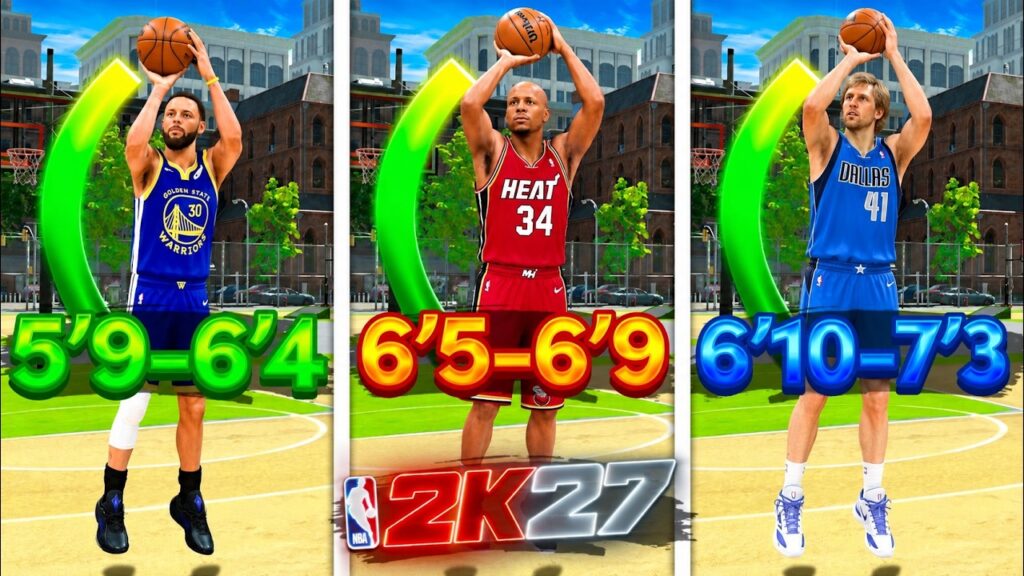
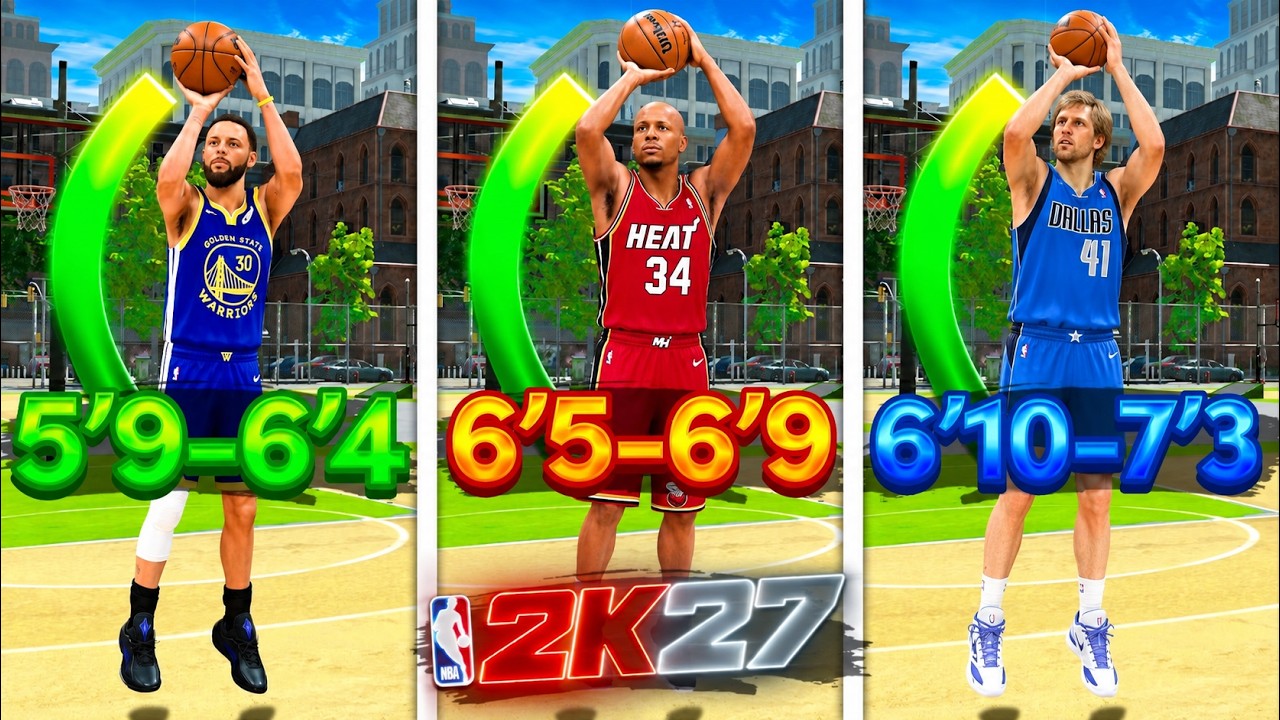
Shooting in NBA 2K27 has reached a whole new level of difficulty, leaving even the most seasoned veterans frustrated on the virtual hardwood. Gone are the days of easy green releases; the developers have introduced an unforgiving timing system that demands absolute precision. With drastically tighter contest windows, heavy reliance on player stamina, and latency that punishes even the slightest delay, finding a rhythm feels nearly impossible.
Every jump shot now requires mastering complex shot cues and adjusting to dynamic defensive pressure, turning what used to be a reliable scoring option into a high-stakes guessing game where one off-millisecond spells disaster for your team.
Shooting has always been one of the biggest talking points in NBA 2K, but NBA 2K27 has taken the conversation to another level. Between tighter timing windows, inconsistent-feeling releases, defensive pressure and changes arriving through patches, players are finding that simply knowing their jump shot is no longer enough.
For some players, the increased difficulty is exactly what NBA 2K needed. For others, shooting has become frustratingly unpredictable. Either way, one thing is clear: players are being forced to adapt.
Shooting Feels Less Forgiving
In previous NBA 2K games, experienced players could eventually find a reliable jump shot, memorize the release point and consistently knock down open attempts. NBA 2K27 has made that process more demanding.
Players are paying closer attention to visual cues rather than relying entirely on muscle memory. A shot that feels automatic in one situation can suddenly feel different after a catch animation, a small amount of defensive pressure or a change in positioning.
That makes shot selection more important.
Instead of simply asking, “Do I know my jumper?” players have to consider whether their feet are set, how much stamina they have, where the defender is positioned and what animation they received before the shot.
Those small variables can be the difference between a green release and a miss.
The result is a shooting system that rewards concentration but can also punish players who expect every attempt to have identical timing.
Patches Keep Changing the Conversation
The challenge becomes even greater when patches enter the equation.
Whenever 2K adjusts gameplay, the community immediately begins testing what changed. Players head into MyCOURT, Pro-Am, REC and Park games trying to determine whether their favorite jump shot still works the same way.
Sometimes the differences feel minor. Other times, players swear their jumper has completely disappeared overnight.
That has created an interesting cycle in NBA 2K27.
A player discovers a jump shot they love. They practice it for hours. Eventually, they learn the visual cue and start shooting consistently. Then a new patch arrives, gameplay feels slightly different, and the learning process begins again.
Even when a patch does not directly overhaul shooting, changes elsewhere can affect how players experience it. Adjustments to contests, movement, stamina, animations or defensive responsiveness can all change which shots are available and how comfortable players feel taking them.
That is why the community often debates whether shooting itself was changed or whether another gameplay adjustment simply made shooting feel different.
Players Are Moving Away From Pure Muscle Memory
One of the biggest adjustments players are making is learning to watch their player instead of relying exclusively on timing in their heads.
Visual cues have become extremely important.
Rather than thinking, “Hold the button for this long,” experienced shooters are looking for a particular point in the animation. That could be when the ball reaches the player’s forehead, when the shooting hand begins pushing forward or when the player reaches the top of the jump.
This approach can be more reliable because NBA 2K27 throws so many different situations at shooters.
A standstill corner three is not necessarily going to feel identical to a shot after sprinting around a screen. A pull-up is different from a catch-and-shoot attempt. A tired player may not animate exactly like a player with full stamina.
The best shooters are learning those differences instead of expecting the game to provide one universal rhythm.
The Search for the “Best Jumper” Continues
Naturally, the difficulty has also sent players searching for the perfect jump shot.
YouTube, TikTok, Reddit and other NBA 2K communities quickly fill with players sharing bases, releases, blending percentages and release-speed recommendations after gameplay changes.
But NBA 2K27 is demonstrating why copying somebody else’s jumper is not always the solution.
A jump shot that works perfectly for one player may feel terrible for another. Height, ratings, playstyle, latency and personal preference can all influence how comfortable a release feels.
The better strategy has been finding a jumper with a clear visual cue and sticking with it long enough to actually learn the animation.
Constantly switching jump shots after two or three bad games can make the problem worse.
Players who immediately change their jumper after every cold streak never give themselves enough time to determine whether the problem is the animation, their shot selection or simply their timing.
Latency Remains Part of the Challenge
Online play adds another complication.
NBA 2K players have complained about latency for years, and competitive online modes can feel noticeably different from practicing offline. Even small differences in responsiveness matter when successful shooting depends on precise timing.
That means players who dominate in a practice environment can enter an online game and suddenly struggle.
The adjustment is psychological as much as mechanical.
Players have to resist the temptation to panic after a few misses. Instead, many are using the first few possessions to understand how their shot feels in that particular game and adjusting their release accordingly.
It is not always ideal, but adaptation has become part of being an effective NBA 2K27 shooter.
Shot Selection Matters More Than Ever
Perhaps the biggest positive consequence of difficult shooting is that players are becoming more selective.
When almost every remotely open three-pointer goes in, offensive possessions can become repetitive. Difficult shooting creates a reason to hunt for genuinely good looks.
Players are using screens differently. Guards are attacking the paint before kicking the ball outside. Teams are making extra passes instead of immediately firing the first available three.
A wide-open corner shot suddenly has considerably more value when players cannot assume every contested attempt will fall.
Of course, there is a balance.
If shooting becomes too unforgiving, players can feel as though good offense is not being rewarded. Missing a well-timed wide-open shot can be especially frustrating when the player believes they made the correct basketball decision.
That tension between realism, competitive balance and fun has always been difficult for 2K to manage.
The Community Is Adapting
Despite the complaints, NBA 2K players do what they always do: figure the game out.
Players are spending more time practicing visual cues, experimenting with release settings and learning which shots they can consistently make. Competitive teams are creating offense designed to generate cleaner opportunities rather than depending on difficult attempts.
The early frustration may ultimately create a larger skill gap.
A player who understands their jumper, manages stamina, recognizes defensive contests and takes smart shots can separate themselves from somebody who simply expects a high three-point rating to do the work.
At the same time, future patches will continue to shape that balance.
The challenge for 2K will be making shooting difficult enough that elite shooters feel rewarded without making ordinary players feel as though every update forces them to relearn the game.
For now, NBA 2K27 shooters have a simple reality to deal with:
Adapt or keep missing.
The days of finding a jump shot and immediately expecting automatic greens appear to be gone. Players who slow down, learn their visual cues, take better shots and adjust to gameplay changes are having the most success.
And with more patches likely to arrive throughout NBA 2K27’s life cycle, mastering your jumper might not be something you do once.
It might be something you have to keep doing all year.
-
NBA 2K27 The Tale Of A Shooting Slump
Shooting in NBA 2K27 has reached a whole new level of difficulty, leaving even the…